Early in my career, I spent a few years as a staff writer on various interior design magazines. My favorite part? The photo shoots. Deep in the bowels of the building where I worked, there was a cavernous photo studio. It was divided into bays—each its own photo set—with a big causeway between. One set might be arranged for a Christmas shoot, another for food photography, another to look like a living room, another a bathroom complete with clawfoot tub. In the back there was a workshop, where set-builders constructed everything from shifting walls and floors to simple furniture and elaborate closet systems.
Tucked away in a long, narrow alcove was my favorite spot of all: The prop room. Shelves and racks of the things that make a house look like home: dishes, glassware, framed art, throw pillows, blankets, rugs, books with colorful spines, curtains, sculptures, holiday décor and tchotchkes. It worked like a library, where you checked things out for a period of time then returned them, and it had rolling ladders to reach things on high shelves. Plus the place was like a time capsule. The publisher had been around for more than a century and had been doing photo shoots nearly that long. You want relics from the harvest gold days of the 1970s? You’re in luck!
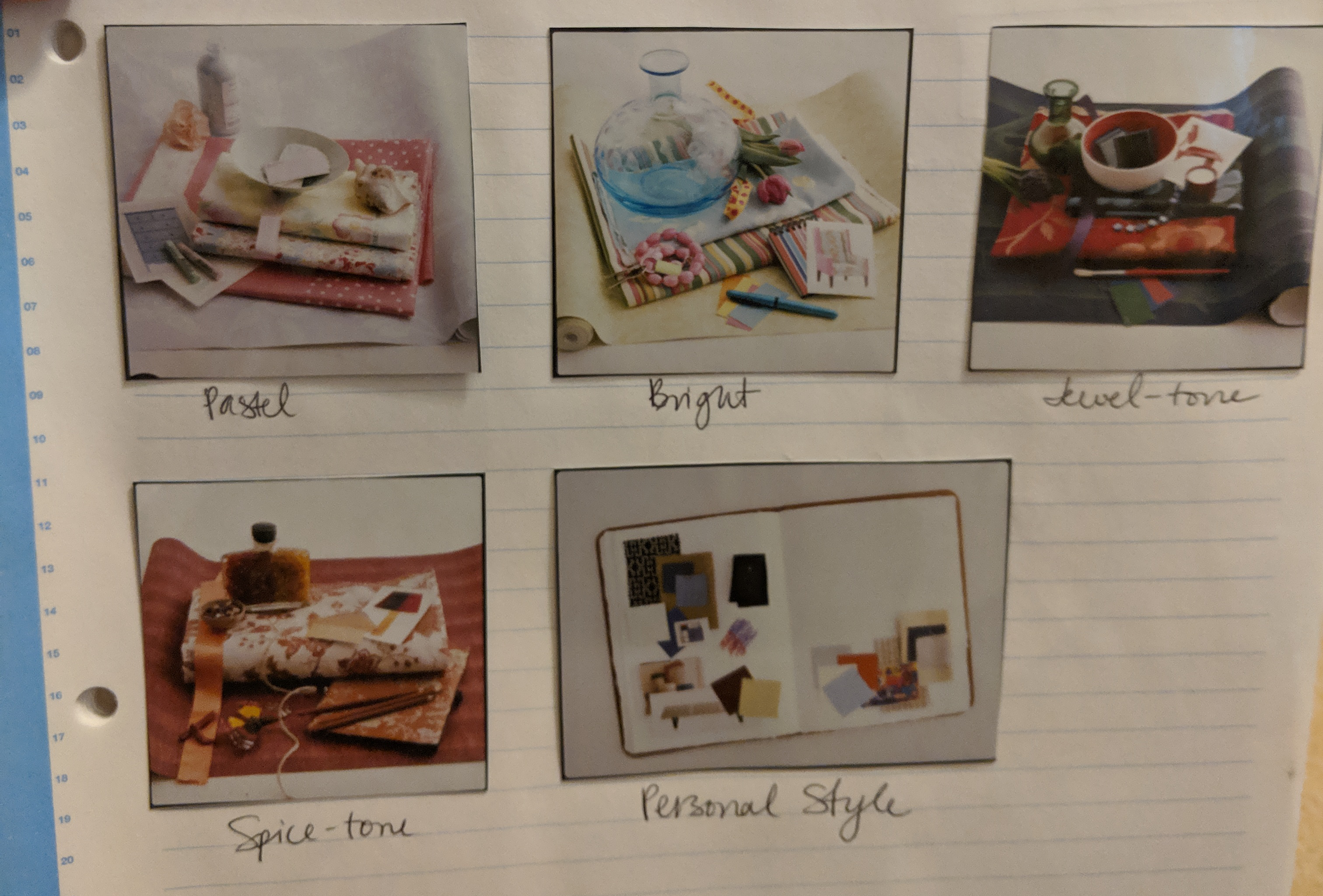
Along with writing, it was my job to order in additional props and furniture we’d need for photo shoots. On shoot day, I’d assist behind the scenes (aka, ironing, steaming and running back to the prop room for items that would add “texture”). But it was really the art director who owned the vision for each shot. He or she worked with the photographer to find the best angle, the best light to tell the story we were trying to tell through pictures. It turned out there are some lessons that apply to storytelling as a whole.
Photo shoots aren’t slapped together. You have to schedule a photographer, reserve the space, decide how much time your shoot will take. In order to do that, you need some idea of what you want to get out of the shoot: the goal. That starts way back with the editorial and art team planning the content for the issue.
Because interior design is so visual, big beautiful pictures are key. But a magazine that’s just spread after spread of broad room shots is boring, so art directors also have to plan for detail shots and close-ups. How do they keep it all straight in their head? They thumbnail it. Art directors sketch the scenes they want to photograph, penciling them in as part of a rough mock-up of what the final story layout might look like. Those thumbnails serve as a guide for the photographer to set up the shots. Of course, like any creative endeavor, photo shoots are fluid things. The photographer sees the thumbnails and gets a new idea, the art director happens on a bunch of flowers on her way into work and wants to incorporate them (true story), the sofa you order isn’t the one you get (also true story). You have to be able to roll with the situation you find yourself in, adapt and make it work. And sometimes that means shifting the story too. Sometimes the story you’d planned to tell isn’t the story that’s coming through the photography. In a field like interior design that’s totally driven by how something looks, the photo gets the final word. And that means being a more flexible writer.
Eventually I proved my worth as an ironer/steamer/runner and I got to go on the road to assist with photo shoots in people’s homes. Now, obviously, these are gorgeous houses. By definition, you don’t get to be featured in an interior design magazine if you don’t have a beautifully decorated home. However, that didn’t mean we walked in the door, set up the cameras, took pictures and left. No. There’s real life beautiful and there’s magazine beautiful. Our job, in getting a house ready for a photo shoot, was to make it magazine beautiful.

Why not just photograph the rooms the way we found them? Because as soon as you point a camera at something, you frame it, you’re focusing in on it. In your daily life, when you walk into your living room to watch TV, you look past the toys in the corner, the stacks of books and paper on the coffee table, the mismatch of lamps and throw blankets, the shoes kicked off on the rug. You just plop on the couch and watch your show, your focus is on the reason you’re in the room, not the room itself. But that changes when you point a camera at your living room and snap a picture of it. Now your living room’s sole purpose is to be looked at. And staring at this picture, you don’t know where to look—there’s too much visual noise. Sure, it’s realistic, but you can’t follow the story this room is trying to show you. Your eyes jump all over the place. Making a room magazine beautiful means removing all the noise and arranging the space so the readers eyes can focus on the parts of the room that are most important. So you can discern the big shapes of the furniture, the lines of the drapes, the color of the walls, the texture of the pillows and rug. And we can tell a story about that, and readers can follow it better, which is the point of the magazine to begin with: To serve the reader. To inform, educate and inspire the reader about interior design.
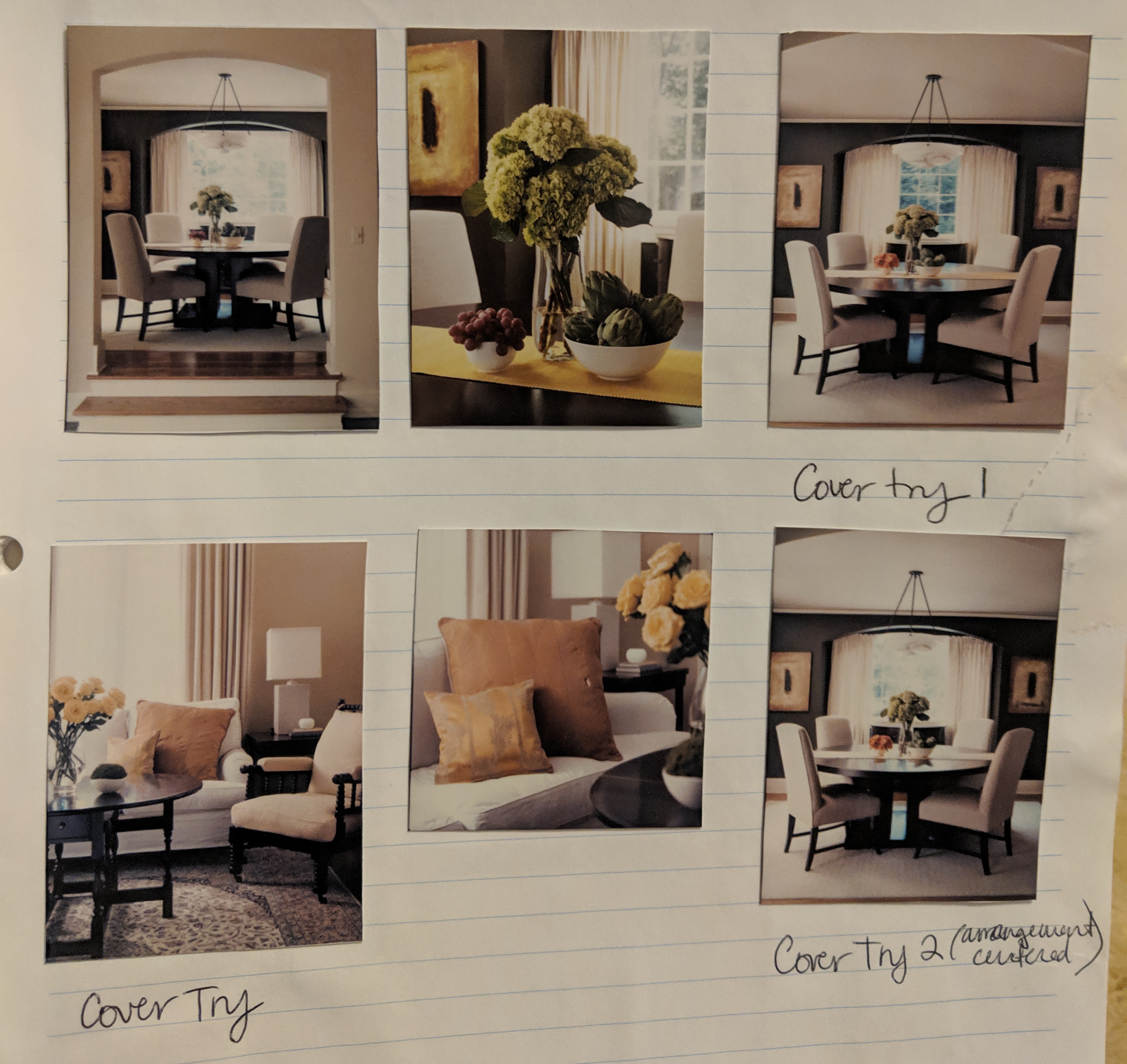
Which brings me back to writing kid lit. Edit away the clutter so all that remains in your dialogue, scenes and prose are the words that carry the most emotional weight. And when you sit down to write, come prepared with your goals in mind, but also be ready to pivot where the story takes you to create something even better.
© 2018 Rachel Martin. All Rights Reserved.
 Rachel Martin
You must be logged in to post a comment.